
The Allure of Casino Games
Casino games have an undeniable charm that attracts millions of players worldwide. This allure stems from various psychological factors that play a significant role in our decision to engage with these games. The thrill of uncertainty and the potential for rewards create a unique environment where excitement reigns supreme, leading individuals to keep coming back for more. Many players find themselves searching for alternative options, such as non gamstop casinos uk, to experience similar thrills in different settings.
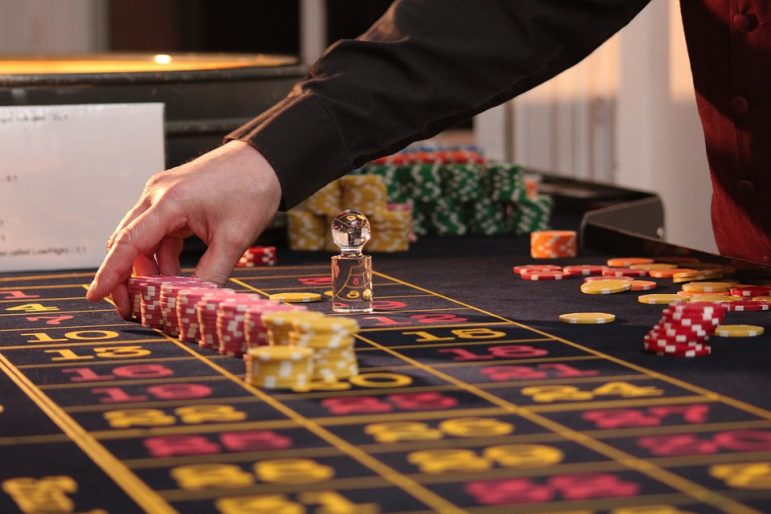
The lights, sounds, and vibrant atmosphere of a casino heighten emotions and stimulate the senses, making players feel alive and engaged. This sensory experience is designed to keep players immersed, leading them into a trance-like state where time seems to disappear. Such an environment taps into our primal instincts for reward and competition, compelling us to play repeatedly.
The Role of Reward Systems
The psychology of casino games is heavily influenced by reward systems. These games often utilize variable reinforcement schedules, which means that players receive unpredictable rewards after certain actions, rather than a consistent payout. This unpredictability keeps players engaged because it creates a sense of anticipation and excitement about when the next big win might come.
This mechanism mirrors how slot machines and other games are designed, where the chances of winning can be enticingly close yet elusive. The resulting dopamine release from wins, even small ones, reinforces the behavior, leading players to continue gambling in hopes of recapturing that euphoric feeling. This cycle can create a compelling drive to keep playing, despite the odds.
Social Dynamics in Gambling
Another significant aspect of casino games is their social nature. Many players enjoy the camaraderie and shared experiences found in casinos. Social interactions can amplify the enjoyment of gambling, making it more appealing to participate. Engaging with others in a lively environment enhances the overall experience, creating a sense of belonging among players.
Furthermore, the competitive spirit often found in games can drive players to keep returning. Winning against peers or simply being part of a group can reinforce feelings of accomplishment and excitement. These social dynamics are crucial in forming a community around gambling, leading to a cycle where players feel drawn to participate repeatedly.
Understanding Loss Aversion
Loss aversion explains why many gamblers find it hard to walk away after a loss. This psychological concept suggests that the pain of losing is stronger than the pleasure derived from winning. As such, players may continue playing in hopes of recovering their losses, leading to further gambling behavior.
This mindset can create a dangerous loop where players chase their losses, often leading to larger financial risks. This phenomenon is especially prevalent in games with higher stakes, where the desire to win back lost money can overshadow rational decision-making. Recognizing this tendency is crucial for those who wish to maintain control over their gambling habits.
Exploring Safe Gambling Practices
While the psychology behind why we keep playing casino games is fascinating, it is essential to approach gambling responsibly. Understanding the psychological triggers can empower individuals to make informed decisions and set boundaries. Awareness of one’s motivations for gambling can help mitigate the risks associated with compulsive behavior.
The importance of safe gambling practices cannot be overstated. Players should prioritize enjoyment and entertainment rather than viewing gambling as a means to an end. Establishing limits on time and money spent, as well as recognizing when to take breaks, can help maintain a healthy relationship with gambling and prevent the negative consequences associated with excessive play.